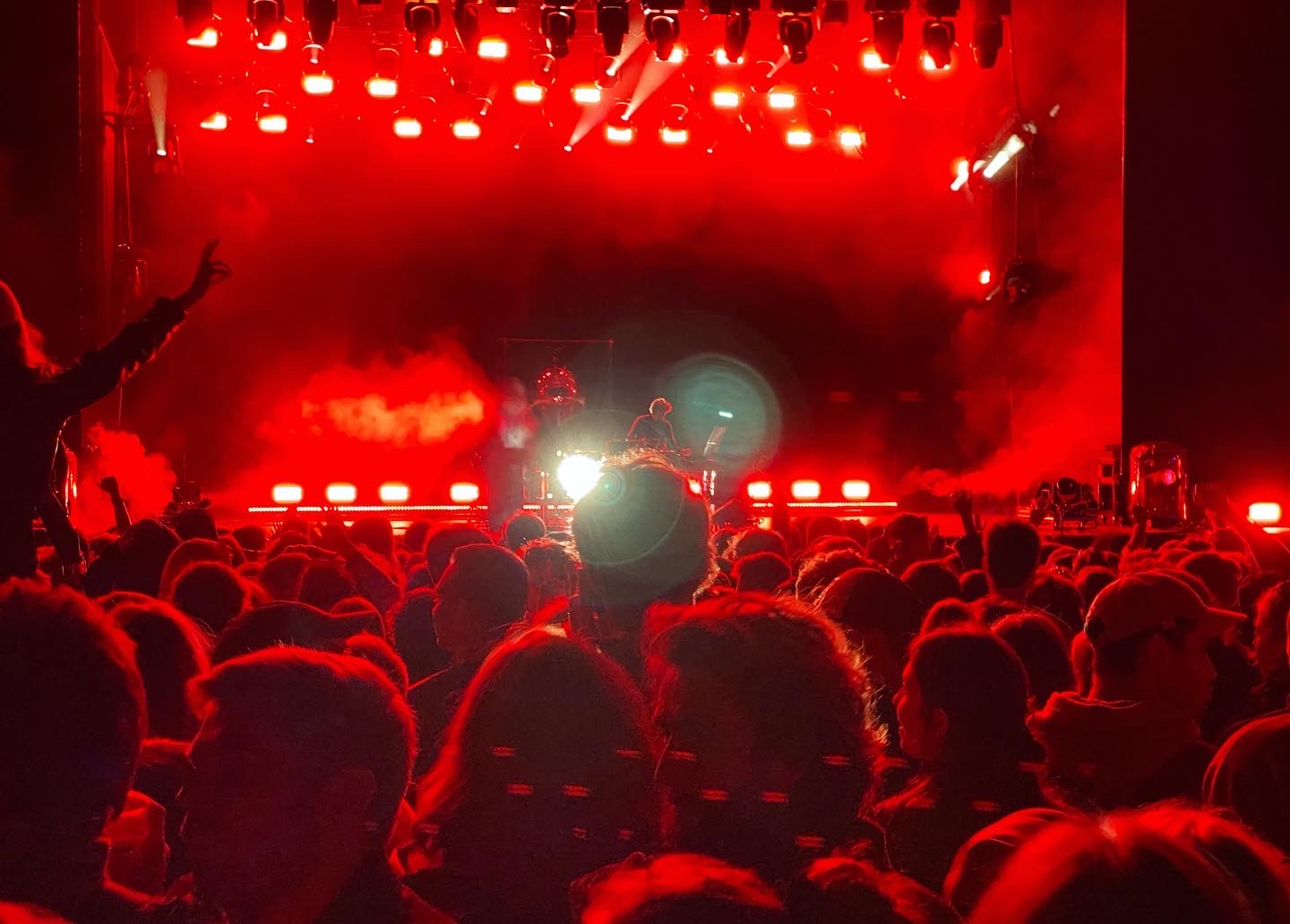
Image: Xavier Dengra / cc by-sa 4.0 View License
Introduction
Festival is a group name that has gained a certain level of recognition in the Asian idol market. According to publicly available information, this group may have different compositions and development trajectories in different regions. Reports indicate that the name "Festival" has been adopted by multiple groups in the idol industry, covering various markets such as South Korea, Japan, and Southeast Asia. Therefore, when discussing this group, it is necessary to first clarify its specific background and debut trajectory to avoid confusion with other groups of the same name.
From the perspective of language and market positioning, the group name Festival itself carries a strong sense of festivity and joyful atmosphere, aligning with the strategic thinking of contemporary idol groups in their pursuit of positive emotional transmission and enhanced brand recognition in naming trends. According to reports, the group's naming inspiration may have originated from European and American music festival culture, aiming to convey the core concept of "the stage is a celebration," allowing each member to showcase energy and enthusiasm akin to a music festival during performances, thereby bridging the emotional distance with the audience.
In IdolRadar's observation, groups conceptualized around "festivals" typically incorporate abundant festival elements into their visual style, stage design, and music arrangement, such as colorful lighting effects, vibrant costumes, and upbeat melodies, to strengthen brand recognition and market memorability. Industry insiders point out that the naming of idol groups often profoundly influences their subsequent market positioning and the establishment of fan identity. A name like Festival holds considerable亲和力 in the Asian market and more easily transcends language barriers for international promotion, making it often regarded as a naming choice with cross-cultural development potential.
However, due to limitations in publicly available information, core details such as Festival's exact debut year, affiliated agency, and headquarters location still need to be confirmed through official channels. IdolRadar will continue to track the latest developments of this group and provide more comprehensive updates and in-depth analysis for readers once more reliable information is obtained.
Members
Regarding Festival's member composition, based on currently limited public information, the group's member structure exhibits several typical characteristics of contemporary idol groups. According to reports, Festival may adopt a multi-member system, with the number of members roughly ranging from four to seven, and the specific configuration is subject to official announcements. Such a member scale represents a medium-sized roster in the Asian idol market, which can ensure the richness of stage performances while also facilitating the display of individual member characteristics.
In terms of gender composition and nationality distribution, related reports indicate that Festival's members may come from different countries and cultural backgrounds. This international composition is one of the notable trends in the Asian idol market in recent years. Many agencies, when creating new groups, deliberately select members with different language abilities and cultural experiences to facilitate the group's expansion in international markets and possibilities for cross-border collaboration, while also injecting more diverse creative energy and performance styles into the group.
From the perspective of age distribution, Festival's members are mostly in their teens to early twenties, aligning with the idol industry's general requirements and market expectations for a youthful image. However, detailed information such as specific member names, dates of birth, and nationality distribution, due to the lack of confirmation from official authoritative sources, IdolRadar advises readers to refer to official social media accounts and agency announcements, and to avoid citing unverified second-hand information or online rumors.
It is worth noting that if Festival, as its name suggests, incorporates the concept of celebration, each member may represent different festivals or cultural elements. Such a setting is not uncommon in the brand management of idol groups. Each member may have unique visual symbols, representative colors, or exclusive imagery. Fans can deepen their emotional connection to the group as a whole and to individual members through these designs, thereby forming a more solid support foundation.
Representative Works
In terms of representative works, based on limited public information, Festival may have released several singles, EPs, or full albums after debut, covering various themes and music styles. According to reports, the group's works may primarily adopt digital release strategies, with music videos distributed across major streaming platforms, in response to the industry transformation where online platforms have become the mainstream consumption mode in the contemporary music market.
Looking at the thematic content, Festival's songs may revolve around universal values such as youth, dreams, friendship, and love, which are also the most common and popular creative themes for idol groups. Related reports indicate that the group's lyrics may adopt a multilingual blending format, combining different members' native languages with common languages, to expand the international influence and cross-cultural resonance of the works. This creative strategy has become mainstream in the contemporary Asian idol market, helping groups reach a broader audience.
In terms of visual presentation, Festival's music videos may heavily feature colorful imagery, festival-themed scene designs, and choreography emphasizing group dance. Industry insiders point out that the consistency and recognizability of visual style are key factors in determining whether a group can stand out in a highly competitive market, and are also important references for fans to identify and support specific groups.
As for specific details such as song titles, release dates, sales figures, and chart performance, due to limitations in information sources, a complete compilation and analysis cannot be provided at this time. IdolRadar advises readers interested in in-depth understanding to obtain the most accurate and timely work information through official music platforms, agency websites, and reputable entertainment news media.
Music Style
Festival's music style, inferred from its name and likely visual setting, may integrate pop dance music, electronic music elements, and bright arrangements with a festive feel. According to analysis by industry insiders, groups with "celebration" as their core concept typically choose music routes with fast-paced rhythms and catchy melodies, to create a joyful atmosphere akin to a music festival during live performances, and to allow audiences to quickly immerse themselves in the emotional context set by the group.
In terms of arrangement, Festival's works may heavily utilize synthesizer sounds, clap samples, brass instrument samples, and other elements, which are common sound combinations in contemporary pop dance music. Related reports indicate that the group's music may have been profoundly influenced by European and American pop music, combined with melody structures and song arrangement logic preferred in the Asian idol market, forming a cross-cultural musical vocabulary that balances international appeal with local亲和力.
From the perspective of dance style, Festival's stage performances may emphasize group uniformity, formation changes, and high-energy physical movements. Industry observers point out that dance precision, visual impact, and chemistry between members are important indicators for evaluating the live performance level of idol groups, and are also key factors for fans when choosing to support specific groups. Therefore, if Festival can establish a distinct style in dance presentation, it will help them build differentiated advantages in the market.
Additionally, if Festival truly takes "celebration" as its core concept, it may release seasonal works for specific holidays, such as Christmas, New Year, Valentine's Day, Halloween, and so on, through limited content and seasonal strategies to strengthen emotional connections with fans while creating additional commercial revenue and buzz. This seasonal management strategy is quite common in the Asian idol market, maintaining long-term attention to the group while injecting more diverse content value into the brand.
Recent Updates
Regarding Festival's recent updates, based on publicly available information, the group may continue various entertainment activities and commercial collaborations throughout 2026. According to reports, Festival may have participated in several music festivals, award ceremonies, brand endorsement activities, and fan meetings, to maintain market exposure, consolidate its fan base, and continue expanding its brand influence.
In terms of social media management, related reports indicate that Festival may maintain high activity on mainstream social platforms such as Instagram, TikTok, and X, regularly posting members' daily photos, practice clips, behind-the-scenes footage, and interactive stories with fans. In the contemporary idol industry, social media management has been regarded as a key link in whether a group can continuously attract new fans and maintain existing supporters, and is also an important indicator for measuring a group's popularity.
From the perspective of international development, Festival may be actively expanding into overseas markets, with target regions potentially covering Southeast Asia, North America, Europe, and elsewhere. Many Asian idol groups, after establishing themselves in the domestic market, list internationalization as the core development goal for the next stage. If Festival follows this industry trajectory, it may have more cross-border collaboration opportunities, overseas tour performances, and creative exchanges with international musicians in the future.
Regarding specific performance schedules, new release plans, commercial endorsement details, and other information, due to the rapid pace of information updates and diverse sources, IdolRadar advises readers to confirm in real-time through official announcements and reputable entertainment media. We will also continue to monitor Festival's development trajectory and provide the most timely updates for readers upon obtaining new information.
Conclusion
Overall, Festival, as an idol group with celebration as its core concept, demonstrates a certain level of brand recognition and development potential in the Asian idol market. Although the definitive information about this group remains quite limited, based on speculation regarding its naming logic, likely visual style, and musical direction, Festival should have clear strategic thinking and long-term brand planning in its market positioning.
For observers of the idol industry, Festival's development trajectory also reflects several important trends in the contemporary market, including international member composition, cross-cultural fusion of musical styles, deep engagement in social media management, and the flexible use of seasonal content strategies. These elements together constitute the success formula of contemporary idol groups, worthy of continued attention and in-depth exploration by industry researchers, brand managers, and fans alike.
IdolRadar will continue to track the latest developments of Festival and other Asian idol groups, providing readers with in-depth, accurate, and forward-looking industry analysis and market observations. We look forward to bringing more comprehensive and richer special reports and content analysis once more reliable information about Festival is obtained.


